September 19, 2026
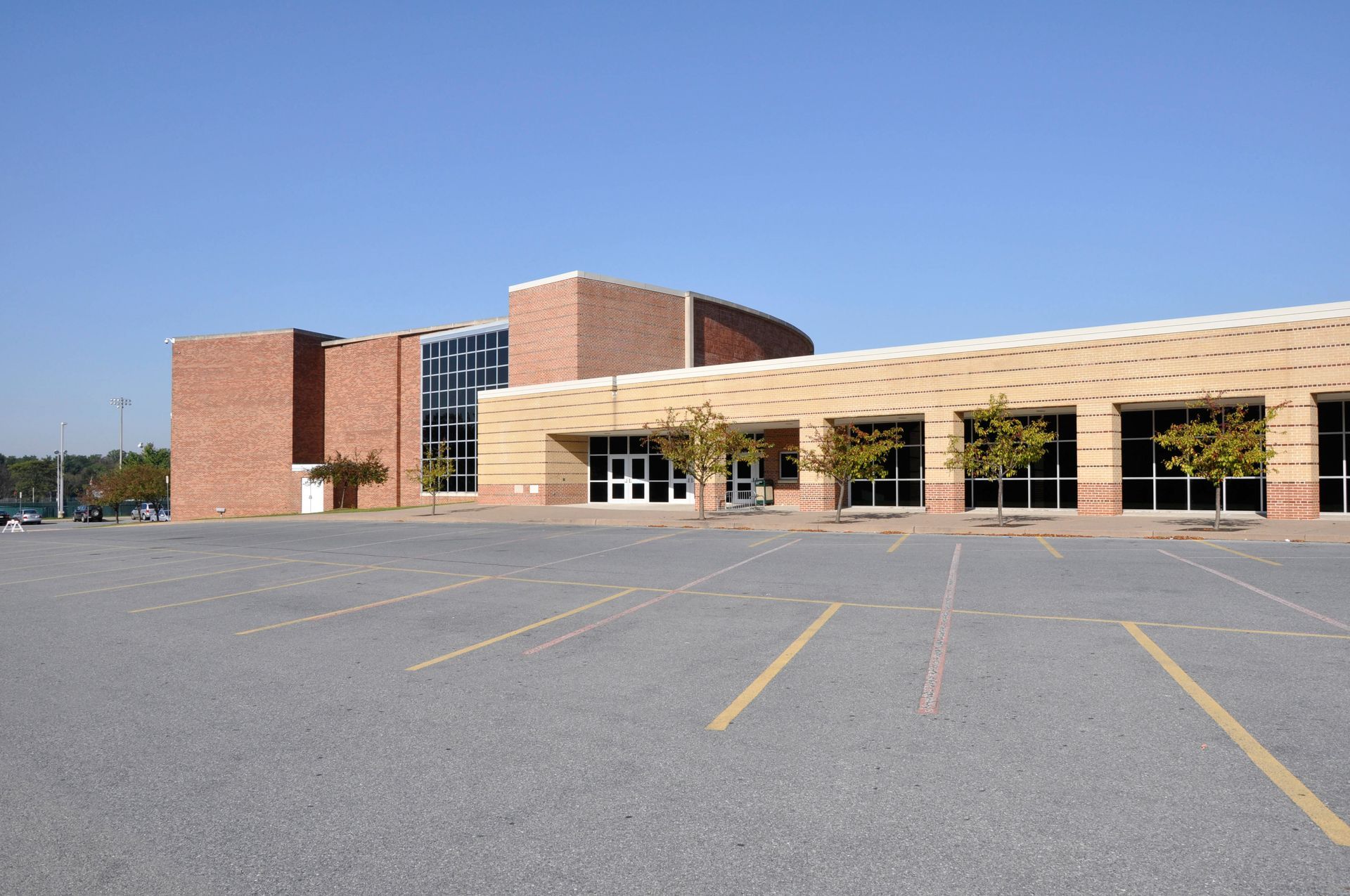
Navigating commercial parking facilities represents the very first physical interaction clients, employees, and visitors experience upon arriving at any business or institutional property. Well-maintained asphalt surfaces featuring crisp, brightly colored directional pavement markings organize vehicular movement, establish designated stall dimensions, and maximize overall parking capacity. Conversely, faded or chaotic layout markings invite traffic confusion, door dings, pedestrian hazards, and severe legal liability issues for property owners. Establishing clear, durable pavement markings demands careful preliminary planning, precise spatial layout calculations, high-grade paint selection, and strict adherence to municipal accessibility codes. According to FHWA, a 50-unit increase in white edge-line retroreflectivity was associated with an 18% reduction in nighttime target crashes. Implementing industry best practices for pavement marking maintenance protects pedestrian safety, enhances curb appeal, and reduces overall property liability. Learning proper layout techniques and maintenance schedules empowers facility managers to optimize traffic flow while preserving long-term asphalt investment. Partnering with professional striping specialists transforms confusing parking areas into safe, organized, and aesthetically pleasing commercial assets. Taking time to plan layout details before applying fresh paint prevents costly layout errors and ensures a smooth, professional installation process.
Designing Optimal Stall Layouts and Maximizing Spatial Capacity
Calculating exact stall angles and aisle widths serves as the foundational first step when planning commercial parking layouts. Property managers must balance total parking capacity with driver maneuverability, selecting stall angles that accommodate expected traffic volumes comfortably. Perpendicular parking layouts yield the maximum number of stalls per square foot, making them ideal for high-density retail centers and corporate garages. Conversely, Angled stalls facilitate smoother, single-direction traffic flow in narrow parking lots where turning radiuses are restricted. Applying crisp parking lot lines according to precise engineering measurements prevents cramped parking conditions, reduces door dings, and eliminates awkward multi-point parking maneuvers. Furthermore, incorporating dedicated loading zones, motorcycle spaces, and rideshare pickup areas organizes specialized vehicular demands smoothly. Thoughtful layout planning maximizes available surface area while providing drivers with a comfortable, stress-free parking experience. Utilizing specialized layout chalks and laser measuring devices guarantees that every stall line remains perfectly straight and parallel across large parking bays. Proper stall alignment creates a clean, organized appearance that reflects high facility management standards. Well-planned stall configurations accommodate diverse passenger vehicles and oversized delivery trucks without creating dangerous bottlenecks.
Selecting High-Performance Paints and Retroreflective Glass Beads
Choosing superior pavement marking formulas remains critical for ensuring vibrant visibility and extended line durability under constant tire abrasion. Standard water-based acrylic traffic paints offer fast drying times and eco-friendly profiles, making them popular for routine restriping projects. However, heavy-duty commercial facilities often require durable solvent-based alkyd paints or multi-component thermoplastic materials that withstand intense vehicular traffic and severe weather cycles. Incorporating specialized parking lot lines utilizing high-solids formulas prevents premature flaking, fading, and traffic wear across busy drive aisles. Furthermore, embedding microscopic retroreflective glass beads directly into wet paint drops enhances nighttime visibility dramatically under headlight illumination. Superior paint selection combined with reflective bead technology ensures that pavement markings remain visible during heavy rain, fog, and dark nighttime hours, guiding drivers safely across the property. Fast-drying traffic formulas allow commercial lots to reopen for full business operations shortly after paint application, minimizing disruption to daily commercial activities. High-durability coatings resist oil degradation and maintain vibrant color contrast across changing seasons.
Maintaining Strict Compliance With Federal Accessibility Guidelines
Ensuring full compliance with federal, state, and local accessibility mandates stands as a critical legal responsibility for every commercial property owner. Federal accessibility standards enforce strict dimensional requirements for accessible stalls, adjacent access aisles, and universal van-accessible spaces. Access aisles must feature distinct diagonal hash marks that prevent unauthorized parking, while accessible stalls require vibrant blue background paint and universal wheelchair stencils. Restriping parking lot lines while strictly preserving mandatory accessibility stall dimensions shields property owners from expensive civil lawsuits, municipal fines, and code violations. Furthermore, establishing clear pedestrian access routes from accessible stalls to primary building entrances enhances visitor safety and convenience. Partnering with experienced striping specialists guarantees that every accessible mark meets exact legal requirements, creating an inclusive, compliant, welcoming environment for all visitors. Mounting bold metal signage directly above accessible stalls provides clear visual confirmation alongside painted pavement stencils. Comprehensive accessibility compliance ensures welcoming access for visitors while protecting property owners from legal disputes.
Preparing Asphalt Surfaces for Optimal Paint Adhesion
Achieving long-lasting paint bonding demands thorough surface preparation prior to applying fresh traffic paint across asphalt or concrete surfaces. Applying new paint over heavy oil stains, accumulated dirt, loose gravel, or flaking paint layers guarantees premature peeling and rapid line degradation. Professional striping crews utilize high-pressure air blowers, industrial wire sweepers, and specialized degreasing agents to clean pavement thoroughly before painting begins. When restriping faded parking lot lines, technicians inspect the underlying asphalt for severe oil saturation or structural cracking that requires preliminary repair. Furthermore, completely removing old, misaligned lines via scarification or black-out paint ensures that fresh markings stand out clearly without ghosting effects. Proper mechanical cleaning and surface preparation ensure that new paint bonds deeply into asphalt pores, extending line lifespan significantly. Utilizing high-pressure water blasting equipment removes stubborn tire rubber, grease deposits, and flaking paint layers from concrete surfaces effectively. Pristine surface cleaning guarantees maximum paint adhesion and prevents unexpected line peeling. Inspecting concrete curbing for structural cracks before painting ensures clean line termination and lasting professional results.
Implementing Strategic Stenciling and Directional Traffic Flow
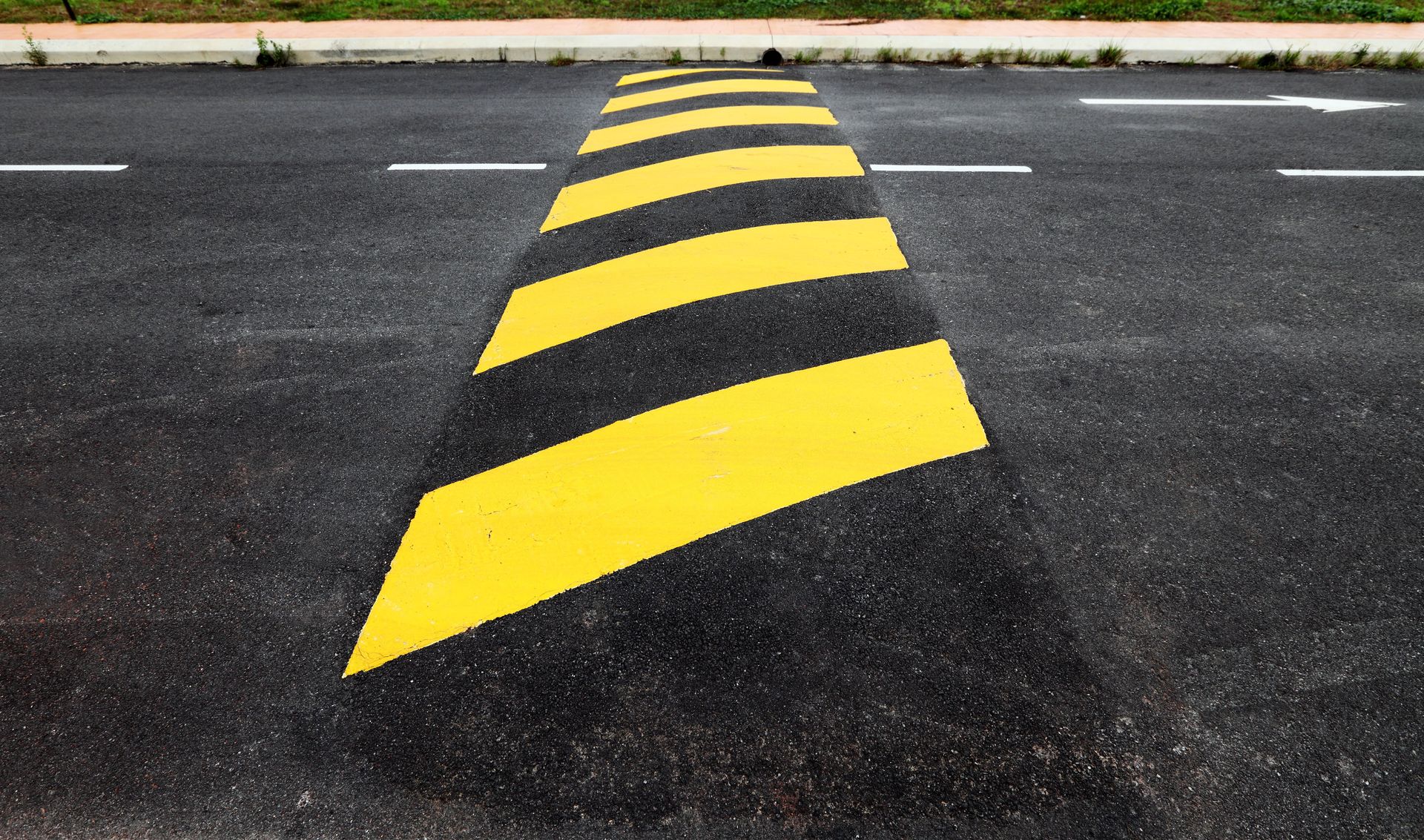
Organizing interior lot circulation requires clear directional arrows, speed limit stencils, and designated pedestrian crosswalks that guide drivers intuitively across the property. High-traffic commercial venues benefit greatly from bold, single-word stencils such as stop, slow, fire lane, and no parking zones that enforce site safety rules. Applying bright yellow parking lot lines along curb faces designates restricted parking zones, loading areas, and emergency vehicle corridors clearly. Furthermore, painting high-visibility ladder-style crosswalks alerts drivers to pedestrian movement near primary building entrances and walkway intersections. Strategic stenciling reduces vehicular speed, minimizes pedestrian conflict points, and prevents traffic congestion during peak business hours. Clear visual cues eliminate driver confusion, creating a harmonious, safe environment for both vehicles and pedestrians. Bright white directional arrows painted at drive aisle entrances prevent wrong-way driving incidents and streamline traffic flow during peak hours. Thoughtful directional stenciling enhances driver confidence and improves site safety.
Establishing superior pavement marking practices requires careful layout design, high-performance paint selection, strict accessibility compliance, thorough surface preparation, strategic stenciling, and routine maintenance scheduling. Crisp, highly reflective pavement markings organize vehicular movement, optimize stall capacity, enhance pedestrian safety, and protect property owners from legal liabilities. Investing in professional striping services preserves curb appeal, elevates business professionalism, and extends overall asphalt functionality across changing seasons. Protecting your property infrastructure with expert layout management guarantees a safe, orderly, and welcoming environment for every arriving visitor. Strategic pavement marking transforms chaotic asphalt surfaces into well-organized commercial assets. Dedicated layout management protects your real estate equity, elevates business professionalism, and delivers lasting safety benefits for all visitors.
At Precision Striping, our dedicated team brings extensive industry expertise, state-of-the-art application equipment, and an unwavering commitment to quality on every pavement marking project we complete, ensuring your commercial parking facility achieves maximum safety, strict code compliance, and outstanding curb appeal. Contact us today or visit our office to schedule your comprehensive parking lot evaluation and discover the lasting benefits of expert striping service.