August 29, 2026
Navigating modern roadways requires clear, intuitive guidance to protect motorists, pedestrians, cyclists, and highway maintenance crews from sudden hazards and chaotic traffic flow. The complex system of traffic control devices, signals, electronic displays, pavement markings, and physical barriers lining public streets works continuously to communicate vital rules, warn drivers of upcoming road conditions, and organize vehicular movement seamlessly. Without these standardized roadway elements, intersections would devolve into dangerous gridlock, construction zones would pose severe safety risks, and nighttime driving across unfamiliar rural corridors would become exceptionally hazardous. Proper roadway management relies on uniform placement, high visibility, and durable construction to ensure that every driver receives immediate, unambiguous visual instructions regardless of weather conditions or time of day. Understanding how different roadway safety tools operate together enhances driver awareness, reduces traffic collisions, and fosters safer transportation networks for communities everywhere. Implementing high-grade traffic control devices remains the most effective, reliable strategy for regulating vehicle speeds, preventing head-on collisions, and guiding daily commuters safely to their final destinations.
Understanding Regulatory Signals
Regulating everyday driver behavior relies heavily on static regulatory signs and electronic signaling systems that establish legally enforceable traffic rules across every street network. Standard traffic control devices include stop signs, yield warnings, speed limit displays, one-way designations, and restricted movement indicators that command immediate compliance from passing motorists. Electronic traffic signals manage complex intersection rights-of-way, utilizing standardized color codes to alternate vehicle movement, accommodate pedestrian crossings, and prevent broadside collisions during peak travel hours. These essential mechanisms transform chaotic multi-lane intersections into predictable, orderly crossing zones where drivers can anticipate vehicle movements accurately. Maintaining crisp retroreflective coatings on regulatory signs ensures that drivers recognize critical stop instructions from significant distances, even during heavy rain or thick fog. Implementing clear regulatory signals establishes a unified baseline of driver expectations, forming the primary foundation of modern municipal road safety and lawful transportation.
Exploring Warning Markers
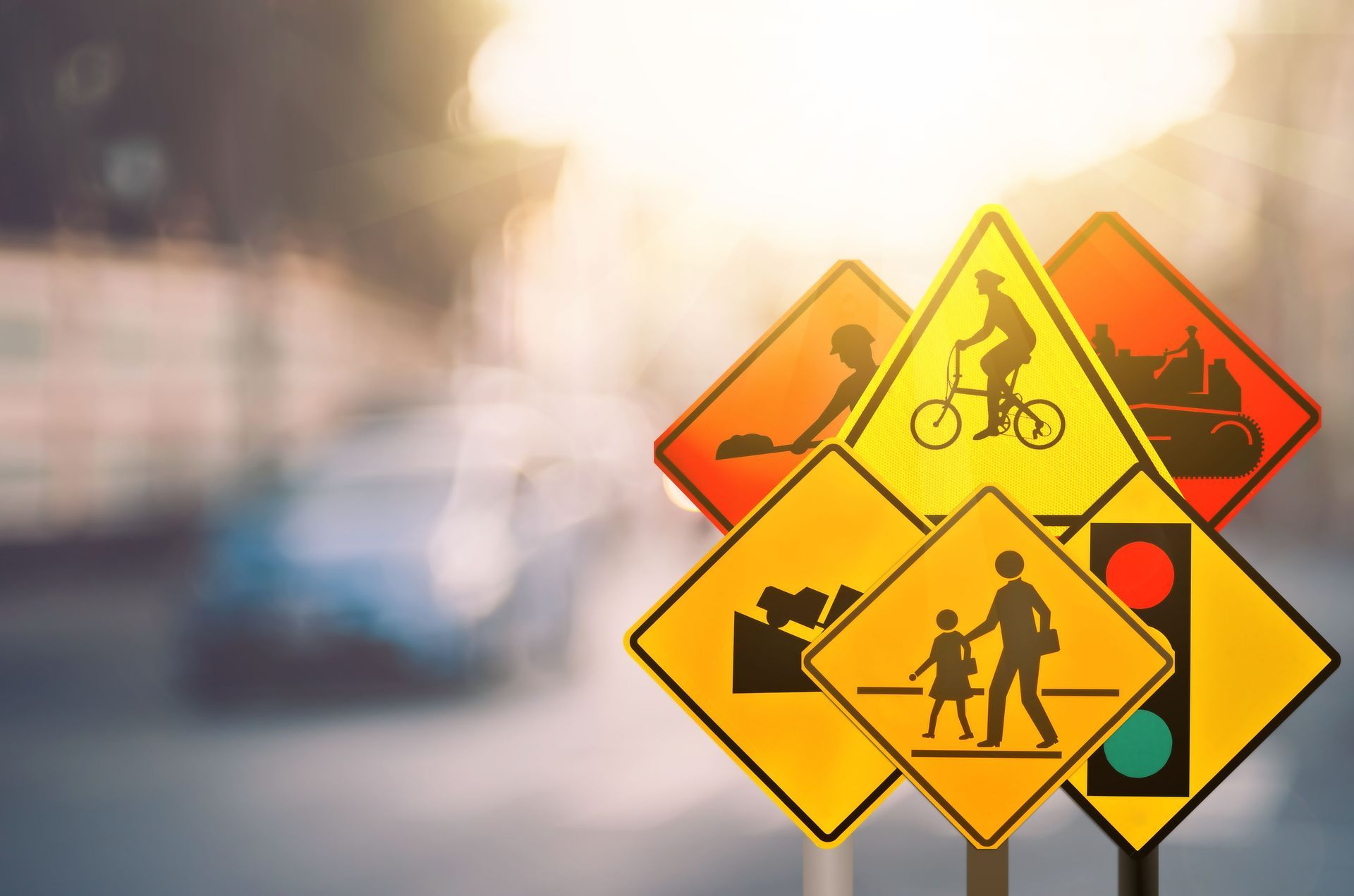
Warning motorists about upcoming roadway changes, sudden curve geometry, unexpected pedestrian crossings, and hazardous road conditions requires strategically placed traffic control devices. These distinctive diamond-shaped indicators utilize high-visibility yellow or fluorescent orange backgrounds to capture driver attention well before physical hazards appear. Common warning symbols alert drivers to merging lanes, steep downhill grades, slippery road conditions, narrow bridges, and unexpected animal crossing corridors. By giving drivers sufficient reaction time to adjust vehicle speed and increase trailing distances, warning markers significantly diminish sudden braking incidents and rear-end collisions. Highly visible warning indicators are particularly crucial along winding mountain passes, rural highways, and unlit suburban roads where visual line-of-sight remains severely restricted. Integrating intuitive graphical symbols ensures that drivers from diverse language backgrounds instantly comprehend upcoming road dangers without hesitation, preserving continuous traffic flow and preventing catastrophic single-vehicle run-off-road accidents.
Examining Guide Displays
Guiding travelers efficiently through complex highway interchanges, unfamiliar suburban corridors, and dense city grids depends on comprehensive guide displays and directional highway signage. Green, blue, and brown informational signs provide essential navigation details, including street names, highway exit numbers, distance markers, regional destinations, rest area locations, and historic landmarks. Advanced lane assignment displays inform drivers which lane to occupy far in advance of major highway splits, eliminating last-second lane changes and hazardous weaving maneuvers across high-speed traffic lanes. Clear directional displays reduce driver frustration, minimize hesitation at busy intersections, and keep vehicle traffic moving smoothly toward targeted destinations. Modern highway guide networks also incorporate variable message signs that display real-time travel times, active accident alerts, and weather advisories to help drivers choose alternative routes. Thoughtfully positioned guide displays turn confusing road networks into easily navigable pathways for local commuters, long-distance freight haulers, and visiting tourists alike.
Utilizing Pavement Markings
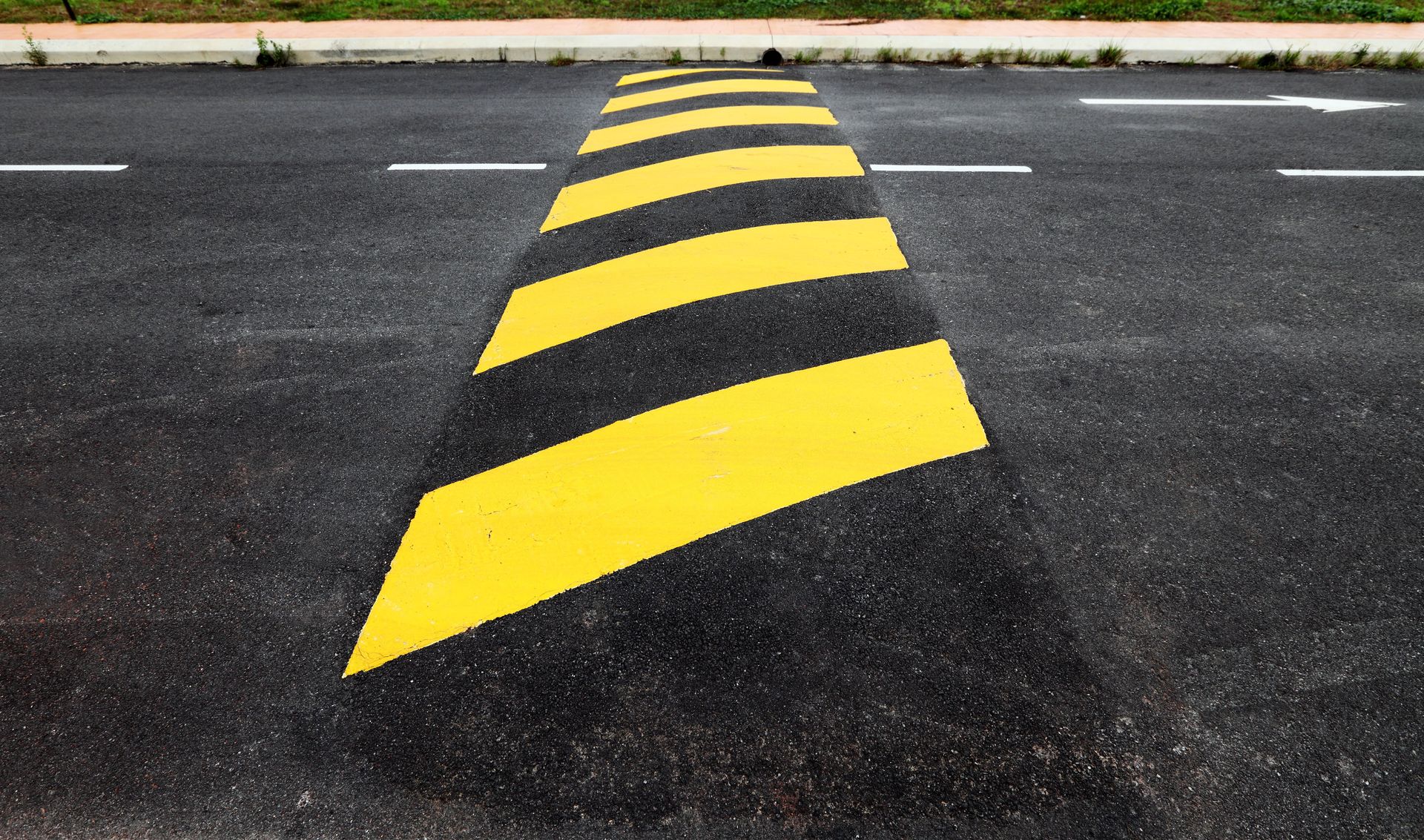
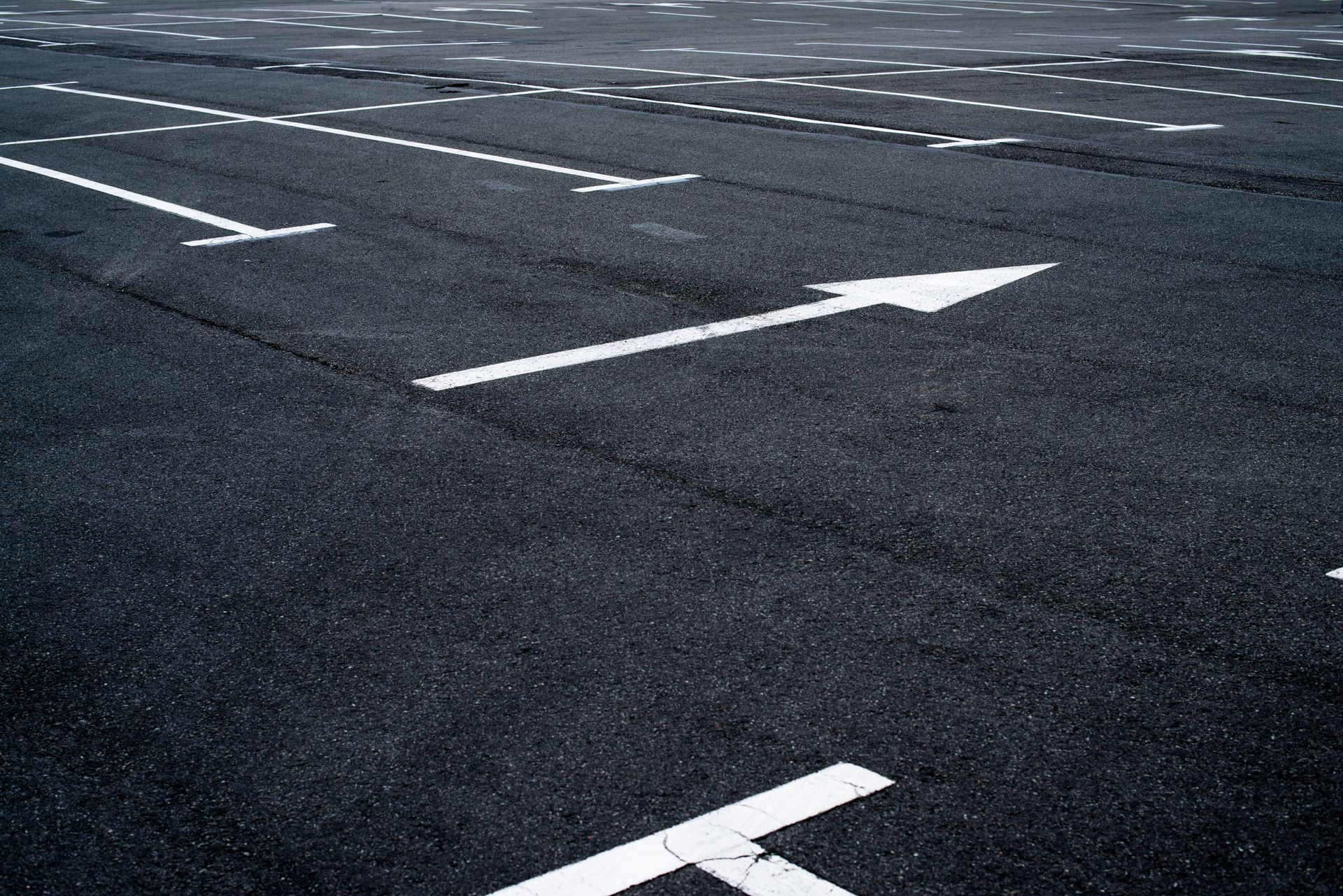
Delineating individual travel lanes, pedestrian crosswalks, turning bays, and roadway edges relies on durable, retroreflective pavement markings applied directly to asphalt or concrete surfaces. Painted centerlines separate opposing traffic flows, while solid white edge lines keep vehicles safely positioned within designated travel corridors during poor visibility conditions. High-friction thermoplastic materials, embedded glass beads, and raised pavement markers reflect vehicle headlights back toward the driver's eyes, providing brilliant visual guidance through dark or rainy road corridors. According to the Federal Highway Administration, on roads with low visibility at night, the reduction reached 33%. This substantial decrease in nighttime crashes demonstrates the immense safety value provided by high-visibility delineators and retroreflective roadway surface treatments across dark rural highways. Incorporating durable traffic control devices directly onto the driving surface gives motorists continuous physical boundaries, preventing accidental lane drift, stabilizing vehicle trajectories, and keeping pedestrian zones clearly defined day and night.
Implementing Construction Equipment
Protecting road construction crews, utility workers, and traffic control devices within active work zones requires specialized temporary construction equipment designed to channel vehicle movement safely around hazardous work sites. Bright orange drums, flexible channelizer cones, plastic barricades, temporary concrete barrier walls, and illuminated arrow boards create a physical buffer between heavy construction machinery and oncoming traffic. Temporary work zone setups gradually merge multi-lane traffic into single lanes, using step-down speed limits and clear arrow displays to prevent sudden bottlenecking near active work crews. High-intensity flashing lights and reflective striping make construction zones unmistakable from long distances, warning drivers to reduce speed and stay fully alert. Utilizing sturdy, crashworthy channeling equipment absorbs vehicle impacts and deflects stray cars away from exposed road workers, drastically minimizing workplace fatalities and severe vehicle collisions across temporary highway repair sites.
Installing Pedestrian Controls
Safeguarding vulnerable road users, including school children, elderly pedestrians, wheelchair users, and urban cyclists, requires specialized pedestrian control systems integrated into broader traffic management networks. Push-button pedestrian signals, illuminated walking-person indicators, countdown timers, and high-visibility zebra crosswalks give pedestrians dedicated, protected time intervals to cross busy multi-lane thoroughfares safely. Rectangular rapid-flashing beacons and overhead pedestrian hybrid beacons alert approaching drivers to active pedestrian crossings on mid-block streets where vehicles might otherwise maintain high speeds. Physical refuge islands placed in the center of wide avenues allow slow-moving pedestrians to cross one direction of traffic at a time, significantly reducing exposure to oncoming vehicles. Installing accessible pedestrian signals with audible tones and vibrotactile surfaces ensures that visually impaired individuals can navigate city intersections with complete independence and safety. Prioritizing pedestrian safety controls creates walkable, accessible, and vibrant urban communities where people can move safely without relying exclusively on personal motor vehicles.
Creating safe, efficient, and well-organized roadway networks requires a comprehensive combination of clear regulatory signs, intuitive warning displays, durable pavement markings, and active work zone channeling systems working in perfect harmony. Modern transportation infrastructure relies heavily on these integrated systems to maintain predictable traffic flow and prevent costly accidents across high-speed highways and busy municipal streets alike.
Investing in routine upgrades, regular surface repainting, and high-visibility safety hardware ensures that critical roadway instructions remain completely legible under adverse weather, dense fog, and extreme low-light conditions. By deploying standardized visual indicators and physical safety barriers, transportation managers protect drivers, construction personnel, and vulnerable pedestrians from predictable roadway hazards through every season. This proactive approach to roadway safety fosters greater public confidence, streamlines daily commuting, and builds resilient, accessible transportation corridors designed to support long-term regional growth and heavy vehicular volume. High-grade visual guidance minimizes driver confusion, stabilizes vehicle movement, and dramatically reduces traffic collisions day and night.
At Precision Striping, we take immense pride in providing superior pavement marking, high-visibility layout, and professional road safety solutions tailored to elevate infrastructure safety and protect travelers across every corridor of our community. Contact us today to learn more.