June 9, 2026
Construction zones are becoming more heavily regulated as roadway safety standards continue to evolve. In 2026, contractors are expected to follow stricter guidelines related to visibility, placement, maintenance, and documentation for every traffic control setup. Missing even one requirement can create safety hazards, delay projects, or result in costly penalties. This checklist will help contractors stay compliant while keeping workers, drivers, and pedestrians safe throughout every stage of a project.
Understanding Current Compliance Standards
Every contractor working near roadways, parking lots, or active traffic areas must understand how traffic regulations apply to their job site. Compliance requirements are largely based on the Manual on Uniform Traffic Control Devices (MUTCD), along with state and municipal regulations that may add additional requirements.
A compliant traffic control device setup helps:
- Protect workers and pedestrians
- Improve driver awareness
- Reduce liability risks
- Minimize traffic disruptions
- Prevent accidents and roadway confusion
In 2026, agencies are placing increased attention on temporary traffic control planning, especially in high-traffic urban areas and highway construction zones. Contractors can no longer rely on outdated layouts or temporary fixes that fail to meet modern standards.
Reviewing Site Conditions Before Installation
Before placing a single cone, sign, or barricade, contractors should carefully evaluate the entire project area. Proper planning is one of the most important steps in maintaining compliance.
Use this checklist before installation begins:
- Review roadway speed limits and traffic volume
- Identify pedestrian access points
- Evaluate visibility during daytime and nighttime conditions
- Determine whether lane closures are required
- Verify ADA accessibility requirements
- Assess drainage areas and pavement conditions
- Confirm local permit requirements
According to ScienceDirect, studies show that placing the first TCD within 75 feet of an off-ramp helps reduce wrong-way driving distances, while every additional 10 feet of spacing can increase wrong-way driving by approximately 3.4 feet. Proper positioning remains one of the most important elements of effective roadway safety planning.
Selecting Proper Devices for Every Project
Not every project requires the same equipment. Contractors must choose a traffic control device that matches roadway conditions, project duration, traffic speed, and environmental exposure.
Common compliant devices include:
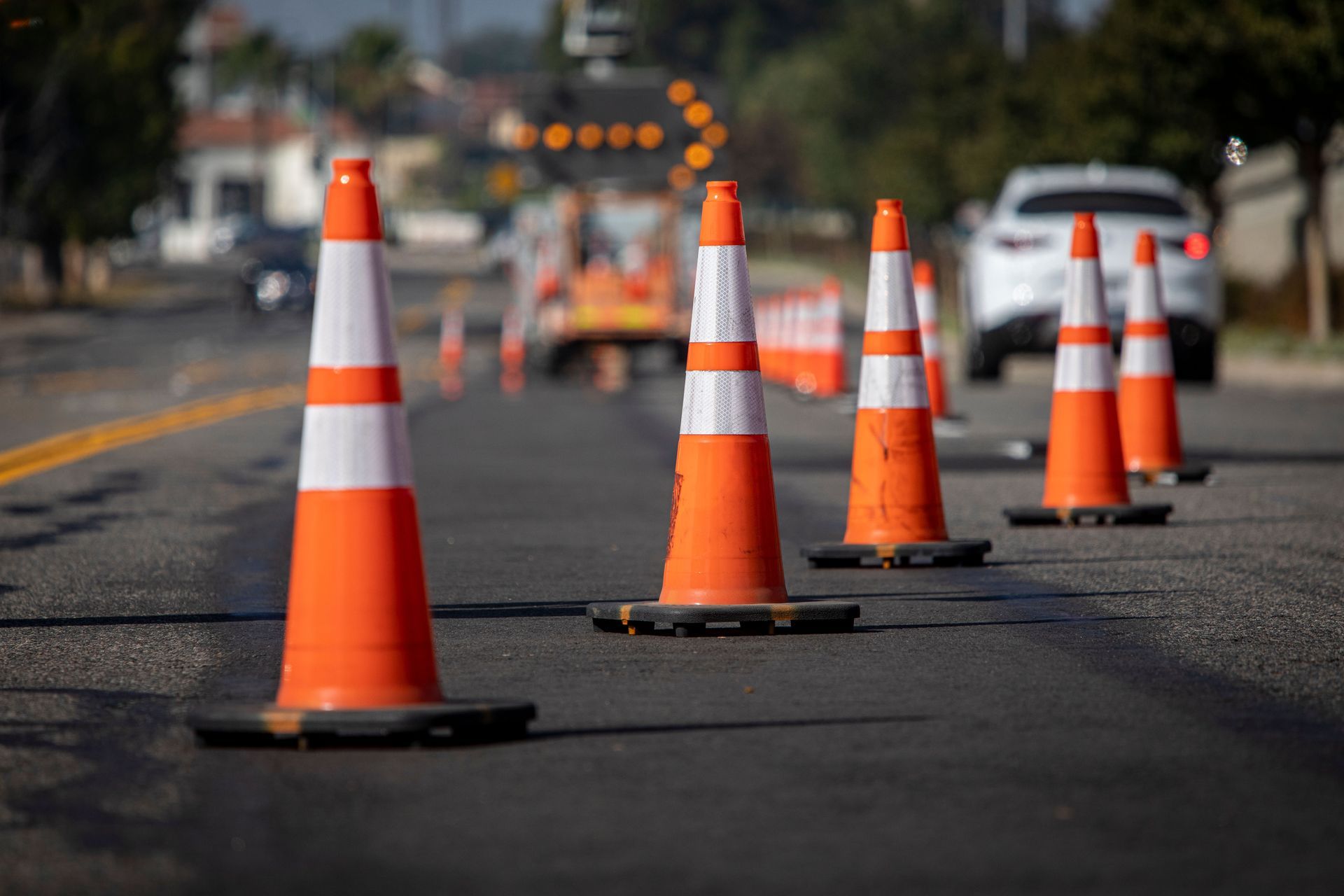
- Reflective traffic cones
- Drums and channelizers
- Barricades
- Temporary signage
- Arrow boards
- Pavement markings
- Delineators
- Portable message boards
Every traffic control device should meet visibility and reflectivity requirements established by current standards. Devices that are faded, cracked, unstable, or poorly positioned may fail inspections even if they were previously approved.
Maintaining Proper Device Placement Throughout Projects
Correct placement matters just as much as selecting the proper equipment. Even a compliant traffic control device can create hazards if spacing, alignment, or positioning is incorrect.
Contractors should verify the following throughout each project:
- Sign heights meet required minimums
- Cones and drums maintain consistent spacing
- Devices remain visible around curves and elevation changes
- Lane shifts provide adequate driver reaction time
- Detours are clearly marked
- Temporary striping aligns with traffic flow
- Devices are repositioned as work progresses
Work zones change frequently during construction. A layout that worked on Monday may no longer meet safety standards by Friday. Daily inspections help contractors identify changes before they become compliance issues.
A properly installed traffic control device setup should guide drivers naturally through the work zone without confusion or hesitation.
Inspecting Equipment on a Consistent Schedule
Routine inspections are essential for maintaining compliance throughout a project. Devices exposed to weather, traffic impact, and construction activity can deteriorate quickly.
Inspection teams should look for:
- Missing reflective material
- Damaged or unstable bases
- Dirty or obstructed signs
- Improper spacing
- Broken lights or electronic displays
- Shifted barricades
- Faded pavement markings
Contractors should document every inspection with dates, findings, corrective actions, and photographs when possible. Documentation may become critical during audits, disputes, or accident investigations.
Following Updated Nighttime Visibility Requirements
Nighttime work zones remain a major safety concern for transportation agencies. Reduced visibility increases the likelihood of crashes, especially in high-speed areas.
In 2026, contractors should pay close attention to:
- Retroreflective sheeting requirements
- Flashing warning light standards
- Temporary lighting placement
- Shadow reduction around workers
- Visibility during rain or fog conditions
Every traffic control device used at night should remain highly visible from a distance that is appropriate for the device. Drivers must have enough time to recognize hazards and respond safely.
Training Crews on Compliance Procedures
Even the best traffic control plan can fail if crews are not properly trained. Every employee responsible for setup, maintenance, or removal should understand current regulations and safety procedures.
Training programs should cover:
- MUTCD standards
- Proper sign installation
- Safe lane closure procedures
- Flagging operations
- Emergency response protocols
- Inspection procedures
- Device storage and transportation
Refresher training is especially important as regulations evolve. Contractors should avoid assuming that experienced workers automatically understand updated compliance standards.
Coordinating With Local Authorities and Inspectors
Contractors frequently work alongside municipal agencies, transportation departments, and local inspectors. Maintaining strong communication helps avoid unnecessary delays and compliance disputes.
Before work begins, contractors should:
- Confirm permit approvals
- Review approved traffic control plans
- Verify inspection schedules
- Identify emergency contact procedures
- Discuss temporary detour routes
- Clarify project timelines
Inspectors may request modifications during the project based on changing traffic patterns or safety concerns. Contractors who respond quickly to corrections often experience fewer project interruptions.
Preventing Common Compliance Violations
Many traffic control violations occur because contractors overlook small details during busy projects. Preventing these issues requires consistent oversight and accountability.
Some of the most common violations include:
- Missing or damaged signs
- Improper taper lengths
- Inadequate nighttime visibility
- Incorrect lane closure spacing
- Blocked pedestrian pathways
- Poorly maintained temporary striping
- Failure to update traffic patterns
Contractors should create internal compliance checklists that crews can review daily. Small corrections made early often prevent larger problems later.
A neglected traffic control device can quickly become both a safety hazard and a liability issue. Consistency is critical on every project, regardless of size.
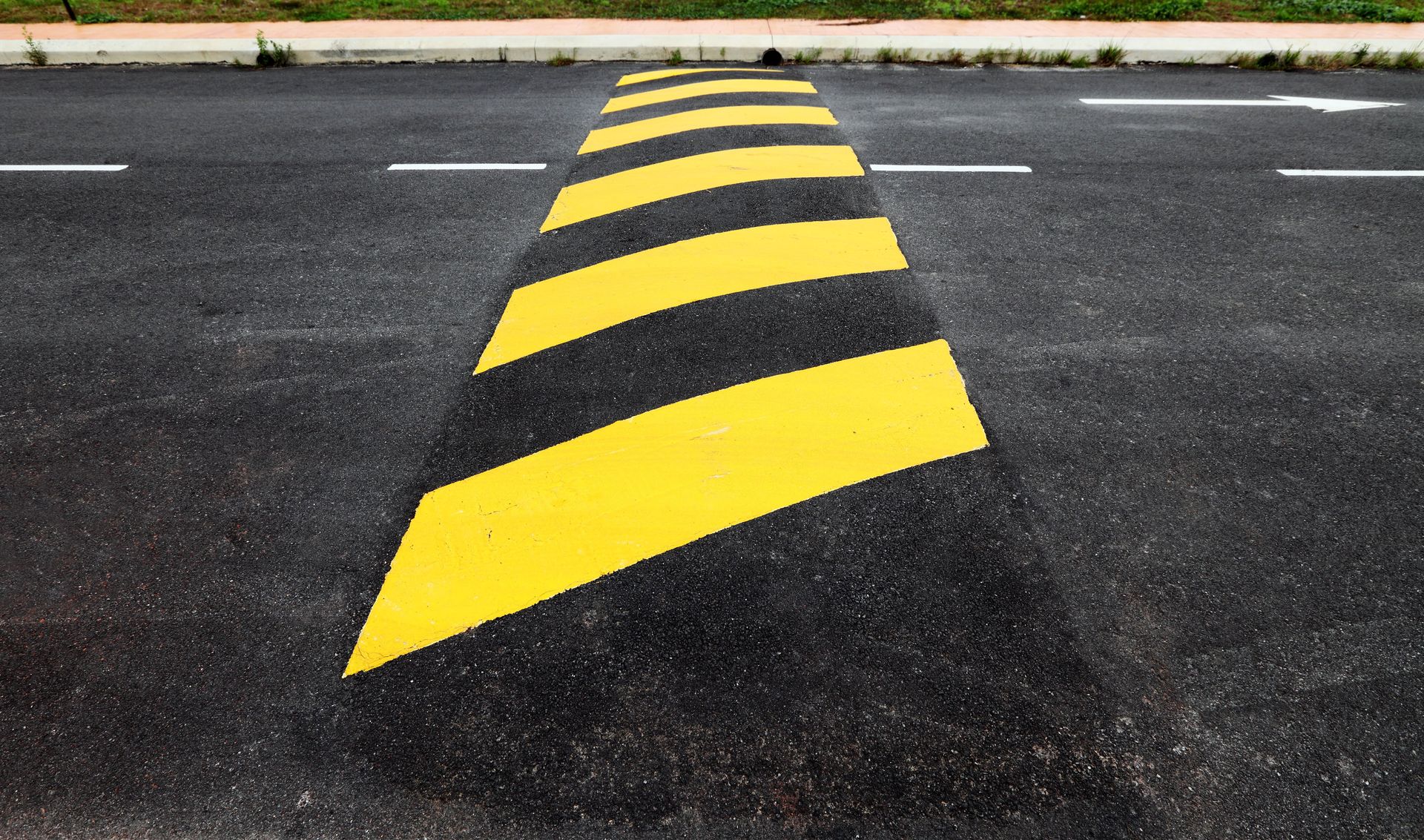
Managing Temporary Pavement Markings Effectively
Temporary pavement markings play a major role in traffic guidance during construction projects. Inconsistent or confusing markings can create dangerous driving conditions.
Contractors should ensure temporary markings:
- Remain clearly visible in all weather conditions
- Do not conflict with existing striping
- Guide traffic smoothly through transitions
- Are removed cleanly after project completion
- Meet reflectivity standards
Temporary striping should always appear intentional and easy to follow. Overlapping lines, incomplete removals, or faded markings increase driver confusion and accident risks.
Using a Practical Compliance Checklist on Every Jobsite
A standardized checklist helps crews maintain consistency across multiple projects. Contractors should review the checklist at the beginning of every shift and after major project changes.
A strong compliance checklist should include:
- Verify approved plans are onsite
- Inspect all signs and devices
- Confirm proper spacing and placement
- Check nighttime visibility equipment
- Review pedestrian access routes
- Inspect temporary striping visibility
- Remove damaged equipment immediately
- Document all inspections and repairs
- Update layouts as work progresses
- Communicate changes to all crew members
Using a repeatable process reduces the likelihood of overlooked hazards and helps maintain compliance throughout the project lifecycle.
Keeping Safety and Compliance as Daily Priorities
Traffic control compliance is no longer just about passing inspections. It directly affects worker safety, public safety, project timelines, and contractor liability. In 2026, agencies are expecting greater accountability, better documentation, and higher-quality installations across all types of roadway projects.
Contractors who prioritize planning, inspections, training, and proper device placement are more likely to avoid delays, penalties, and accidents. Consistent attention to detail can make the difference between a smooth project and a costly compliance failure. For professional pavement marking and roadway safety solutions that support compliant work zones, contact Precision Striping today.