October 20, 2026
Road safety depends on clear communication between drivers, pedestrians, cyclists, and road crews. Pavement markings, traffic signs, channelizing devices, and temporary work zone controls help people understand where to travel and when to slow down. When these features are faded, confusing, or poorly placed, the risk of collisions and traffic delays can increase. Professional traffic management helps create more organized travel routes while supporting safer conditions for everyone using the road. From parking lots and commercial properties to public streets and construction zones, properly planned traffic control measures make a meaningful difference. Property managers, contractors, and municipalities can benefit from working with experienced professionals who understand roadway safety requirements. Precision Striping provides traffic control solutions designed to support visibility, organization, and safer movement.
Improving Visibility Through Clear Pavement Markings
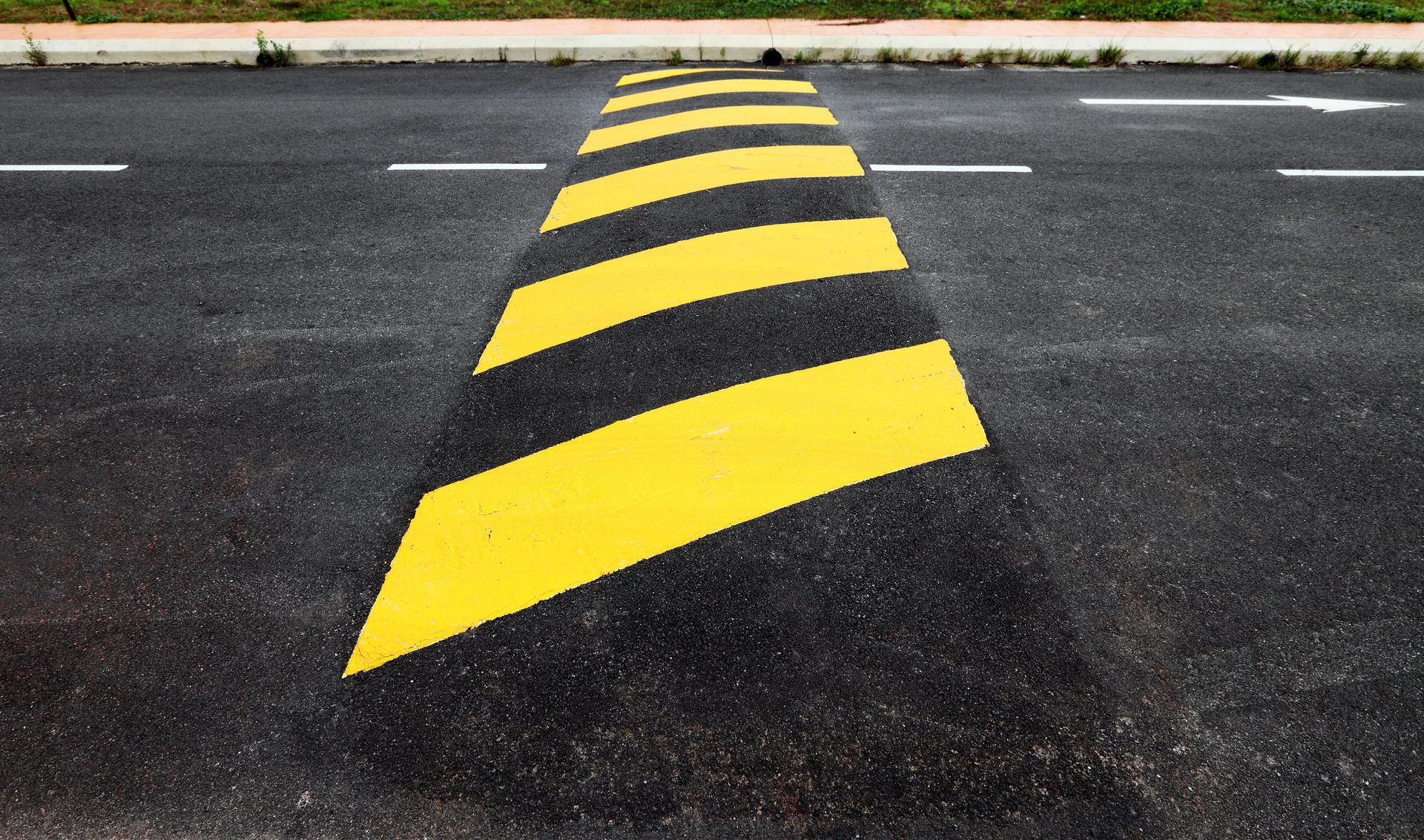
Pavement markings give drivers important information without requiring them to look away from the road for extended periods. Lane lines, directional arrows, stop bars, crosswalks, and other markings help communicate how traffic should move through an area. When these markings are visible and properly positioned, motorists can make decisions with greater confidence. Faded paint or inconsistent line placement may confuse motorists, particularly at intersections, entrances, and areas with several travel lanes. A traffic control company can assess existing markings and identify locations that need refreshing, replacement, or improved organization. According to the Manual on Uniform Traffic Control Devices (MUTCD), standard longitudinal pavement markings are generally between four and six inches wide. Following applicable standards helps ensure that markings are recognizable and consistent with roadway expectations. Routine inspections can also identify wear caused by traffic volume, weather, and maintenance activities before visibility becomes a more serious concern.
Organizing Traffic Around Work Zones
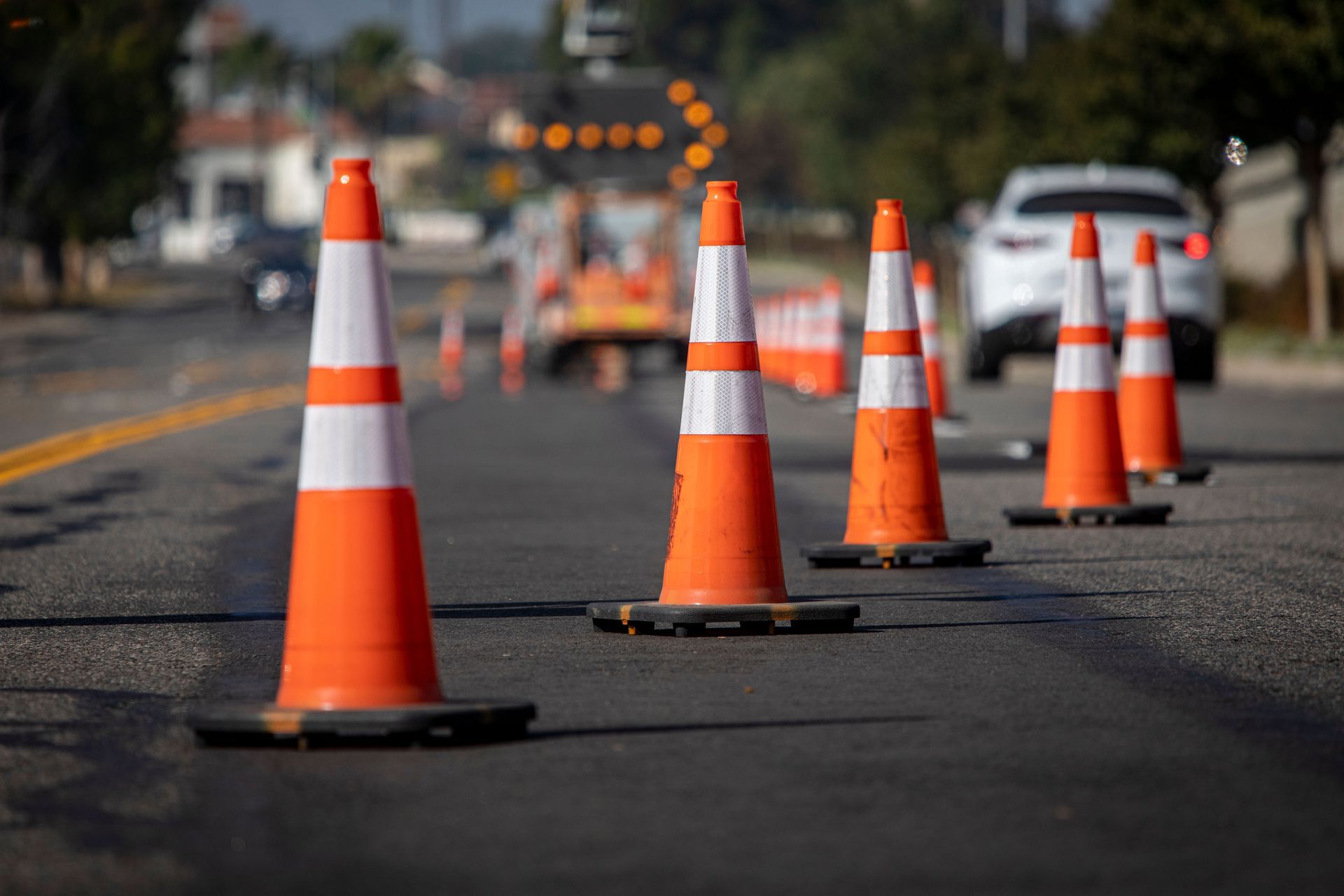
Road construction, utility repairs, and pavement maintenance often require temporary changes to normal traffic patterns. Without appropriate controls, drivers may enter restricted areas, approach workers too closely, or fail to recognize lane closures. Work zone planning helps establish safe travel paths and gives road users advance notice of changing conditions. Temporary signs, cones, drums, barricades, and other devices can guide vehicles around hazards while preserving access where possible. A traffic control company can help determine how devices should be arranged for the work being performed and the conditions surrounding the site. Planning should account for traffic speed, available road width, visibility, pedestrian movement, and the length of the work area. Crews must also review the setup as conditions change, especially when work progresses or traffic patterns shift. Consistent monitoring helps keep temporary traffic controls useful throughout each stage of a project.
Supporting Safer Pedestrian Movement
Pedestrians need clear, predictable routes when walking near roads, parking facilities, businesses, and construction areas. Crosswalks, pedestrian signs, pavement symbols, and temporary barriers can help separate walking areas from vehicle movements. These features are especially important near schools, shopping centers, medical facilities, and other places where people regularly cross busy driveways or access roads. Poorly defined crossings can leave pedestrians uncertain about where to walk and drivers unsure where to yield. A traffic control company can evaluate pedestrian routes and recommend markings or devices that improve awareness and organization. Accessible routes should also be considered so people with mobility, vision, or other disabilities can navigate the environment more safely. Property owners should keep crossings visible and prevent parked vehicles, stored materials, or temporary equipment from blocking sightlines. Regular maintenance helps preserve the effectiveness of pedestrian safety features as the surrounding property changes.
Maintaining Consistent Traffic Signage
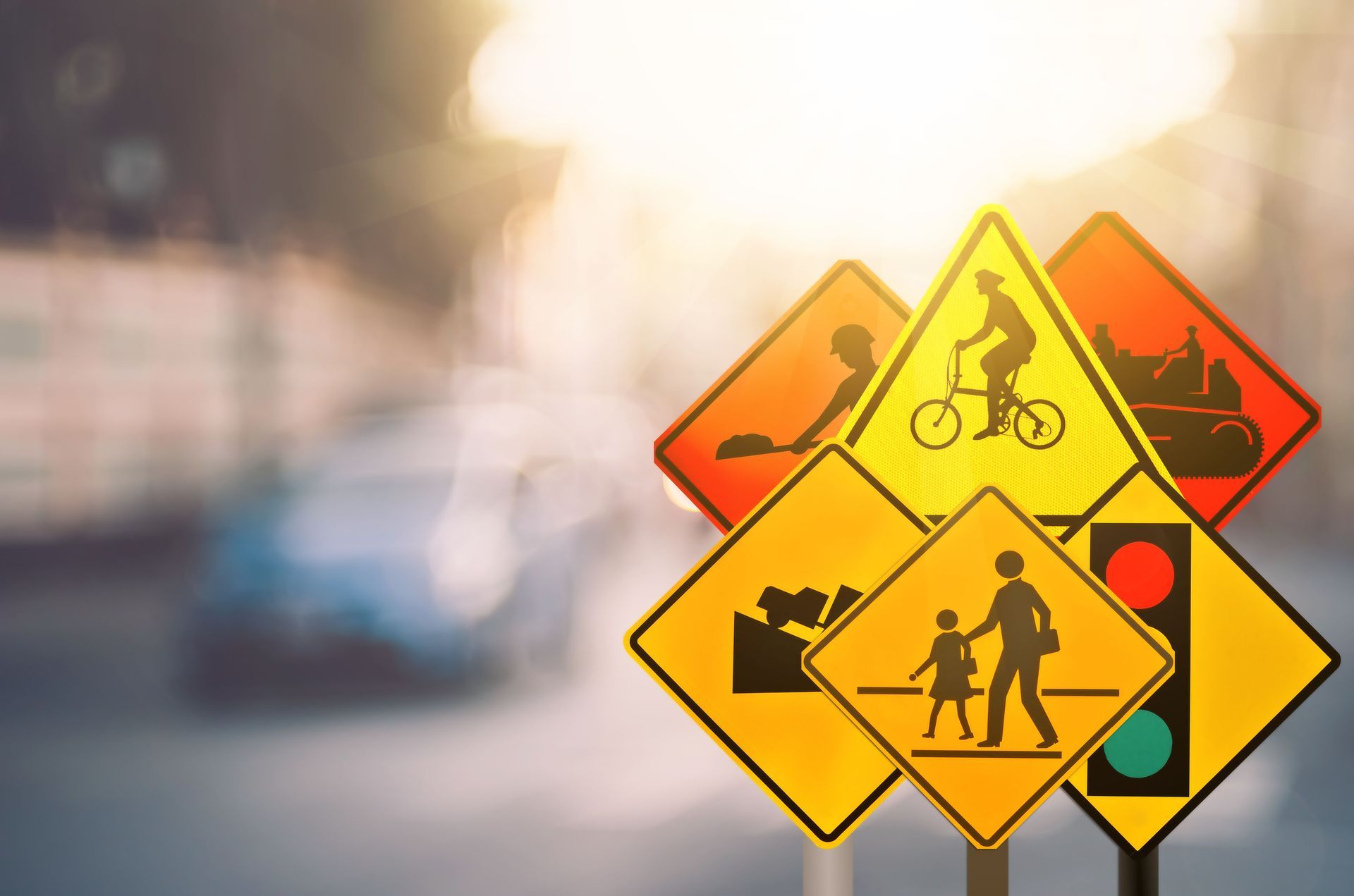
Traffic signs communicate rules, warnings, directions, and restrictions that drivers need to understand quickly. Stop signs, speed limit signs, directional signs, and work zone warnings each serve a specific purpose in managing movement. Signs that are obstructed, damaged, faded, or placed where drivers cannot see them may fail to provide enough time for an appropriate response. Consistent placement and legible wording help road users recognize important instructions before reaching a decision point. A traffic control company can review signage conditions and identify opportunities to improve visibility, placement, and overall site organization. Sign selection should reflect the location, intended message, applicable standards, and expected traffic movements. Vegetation, temporary structures, and parked equipment should be managed so they do not obstruct critical signs. Periodic reviews help ensure that signs remain relevant when entrances, traffic patterns, or property uses change.
Managing Traffic Flow in Commercial Areas
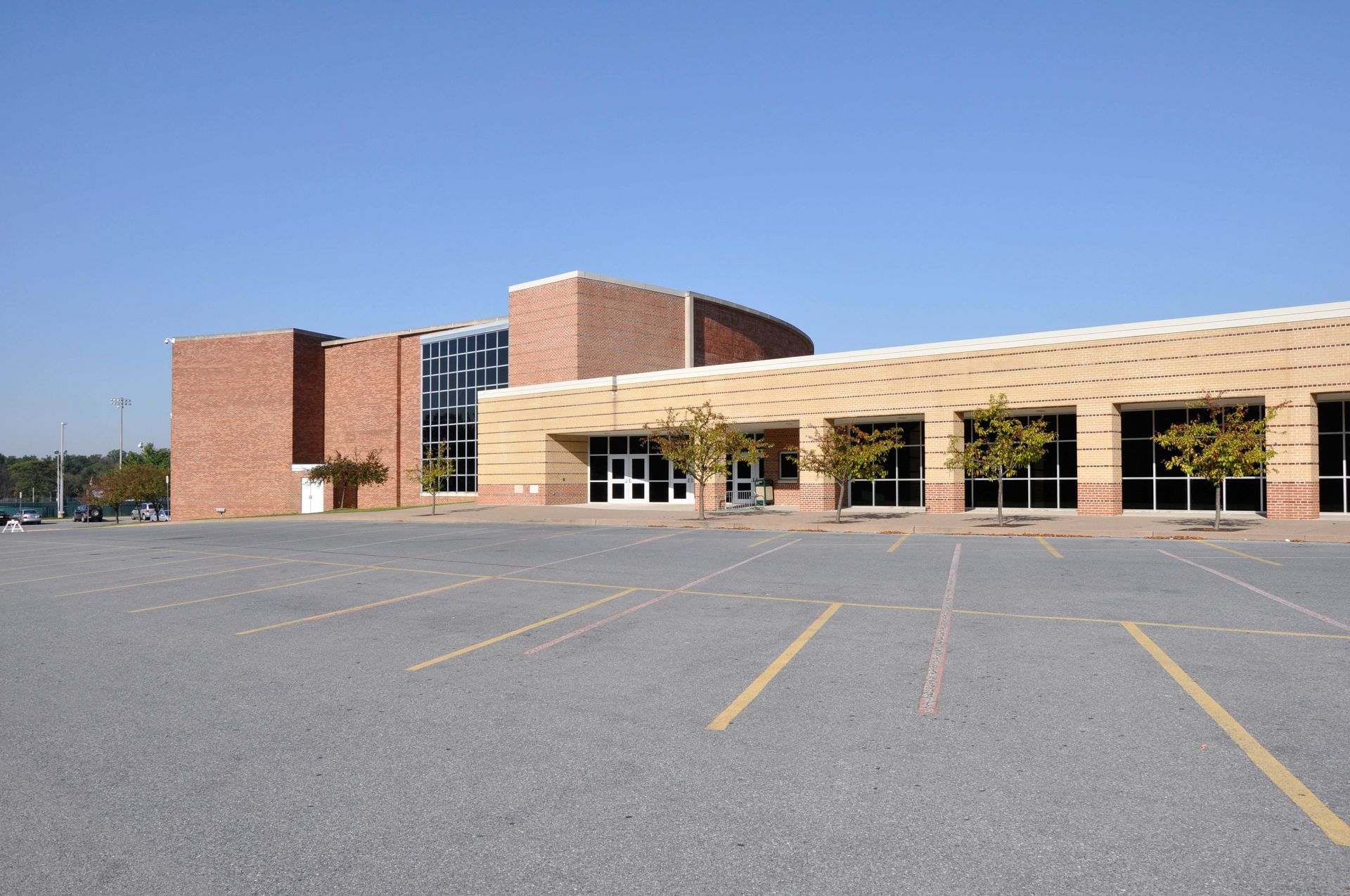
Commercial properties often experience a mix of customer vehicles, delivery trucks, employees, service vehicles, and pedestrians. Without a clear circulation plan, these different movements can create bottlenecks near entrances, loading areas, parking rows, and exit points. Directional arrows, stop lines, lane markings, and designated loading zones can help separate activities and reduce unnecessary conflicts. A traffic control company can evaluate how vehicles enter, circulate through, and leave a property before recommending practical improvements. The review may consider peak business hours, delivery schedules, turning space, visibility, and the location of pedestrian walkways. Clear pavement markings can also help drivers identify accessible parking spaces, fire lanes, and restricted areas. When traffic routes are easy to understand, visitors can navigate the property with less uncertainty and staff can manage daily operations more efficiently. Maintaining these features over time helps commercial sites adapt to changing traffic demands.
Coordinating Safety During Roadway Projects
Successful roadway projects require coordination between site managers, contractors, equipment operators, and traffic control personnel. Everyone involved needs to understand where work is taking place, which areas remain open, and how road users will be directed around the site. Poor coordination can lead to conflicting instructions, unexpected vehicle movements, and avoidable interruptions. A traffic control company can help organize devices and markings around the project's schedule, site layout, and changing operational needs. Before work begins, project teams should identify hazards, review access points, and determine how emergency vehicles and pedestrians will move through the area. Communication should continue while the project is underway so adjustments can be made when conditions change. Devices should be checked for stability, visibility, and correct placement rather than assumed to remain effective throughout the day. A coordinated approach supports a more predictable work environment while helping crews and the public move safely around active projects.
Prioritizing Inspections and Ongoing Maintenance
Traffic control features require regular attention because weather, sunlight, vehicle traffic, and construction activities can gradually reduce their effectiveness. Paint can fade, signs can become damaged, and temporary devices may shift after being struck or exposed to strong winds. Scheduled inspections help property owners and project managers identify these issues before they create confusion or safety concerns. A traffic control company can assist with evaluating pavement markings, signage, and traffic devices to determine which areas need attention. Inspection schedules should reflect how heavily the site is used and whether conditions change frequently. High-traffic entrances, intersections, pedestrian crossings, and work zones may require more frequent reviews than areas with limited activity. Maintenance records can help teams track completed work and identify recurring problems that need a different solution. Keeping safety features in good condition supports clearer communication and more consistent traffic movement.
Clear pavement markings and well-planned traffic control measures help road users recognize hazards, follow directions, and navigate changing conditions. From commercial parking areas to roadway work zones, consistent markings and visible devices support safer movement and better organization. Delaying maintenance can allow faded lines, damaged signs, and confusing layouts to become more difficult to manage. Precision Striping helps clients address traffic control needs with solutions suited to their properties and projects. Contact us to discuss traffic control options and identify practical ways to improve visibility, organization, and safety on the road.